30+
Years of Research
Institute of Legal Medicine · Medical University of Innsbruck
Advancing the frontiers of forensic molecular biology through mitochondrial and Y-chromosomal DNA analysis, next-generation sequencing, and the prediction of biogeographic ancestry, age and physical traits from DNA.
About Us
In the past 30 years forensic molecular biology has seen substantial technological development. Short Tandem Repeat loci have become the standard for human identification in crime, identity and paternity casework.
Our research group contributes across mitochondrial and Y-chromosomal DNA analysis, molecular photofitting, and the prediction of biogeographic ancestry, age and physical traits from DNA.
Based in Innsbruck, Austria, we focus on forensic genetics and forensic genomics for human identification, lineage analysis, sequencing-based methods, and the investigation of historically relevant cases.
We also work in close across research networks and joint projects in forensic genetics.
An overview of our funded research projects (PDF) is available as a downloadable PDF.
Research Areas
Research Themes
The forensic population genetics research focuses on understanding human genetic variation in ways that support robust forensic interpretation. Through innovative studies on ancestry, kinship, and historical identification, the group contributes essential population data and methodological advances that inform both forensic practice and broader questions of human history.
The forensic DNA phenotyping research focuses on developing and critically evaluating genetic approaches for predicting externally visible traits, ancestry-related features and estimation of age. Through methodological innovation and interdisciplinary collaboration, the group contributes to a more robust scientific foundation for the forensic application of DNA-based trait inference.
Non-human forensic DNA profiling opens new possibilities wherever biological evidence originates from animals rather than people. This group develops and applies genetic tools to analyze such traces, helping to identify species, distinguish individuals, and strengthen the evidential value of non-human DNA in forensic casework.
Cutting-edge methods and technologies are at the core of this group's forensic research. By developing and refining advanced sequencing approaches, analytical tools, and laboratory workflows, the group helps drive progress in the reliable analysis of complex genetic evidence.
Infrastructure & Tools
EMPOP represents a major infrastructure contribution of Walther's group to forensic genetics. As an internationally established mitochondrial DNA population database, it provides the scientific framework, reference data, and quality standards needed for robust and harmonized mtDNA interpretation across forensic laboratories.

STRidER is one of the major forensic genetics resources developed within this research group, designed to improve the quality, reliability, and usability of STR population data. As a reference database and software platform for forensic analyses, it helps laboratories generate more robust allele frequency estimates and promotes high standards in data curation and interpretation. Martin Bodner is currently the curator of STRidER.

mitoLEAF is a project to build a modern, continuously updated phylogenetic tree of human mitochondrial DNA, overcoming the limitations of outdated references like PhyloTree. By integrating large-scale, high-quality sequencing data, it enables more precise haplogroup classification and reflects the true diversity of human mtDNA. This improved framework supports advances in fields such as forensics, evolutionary biology, and population genetics.


Team
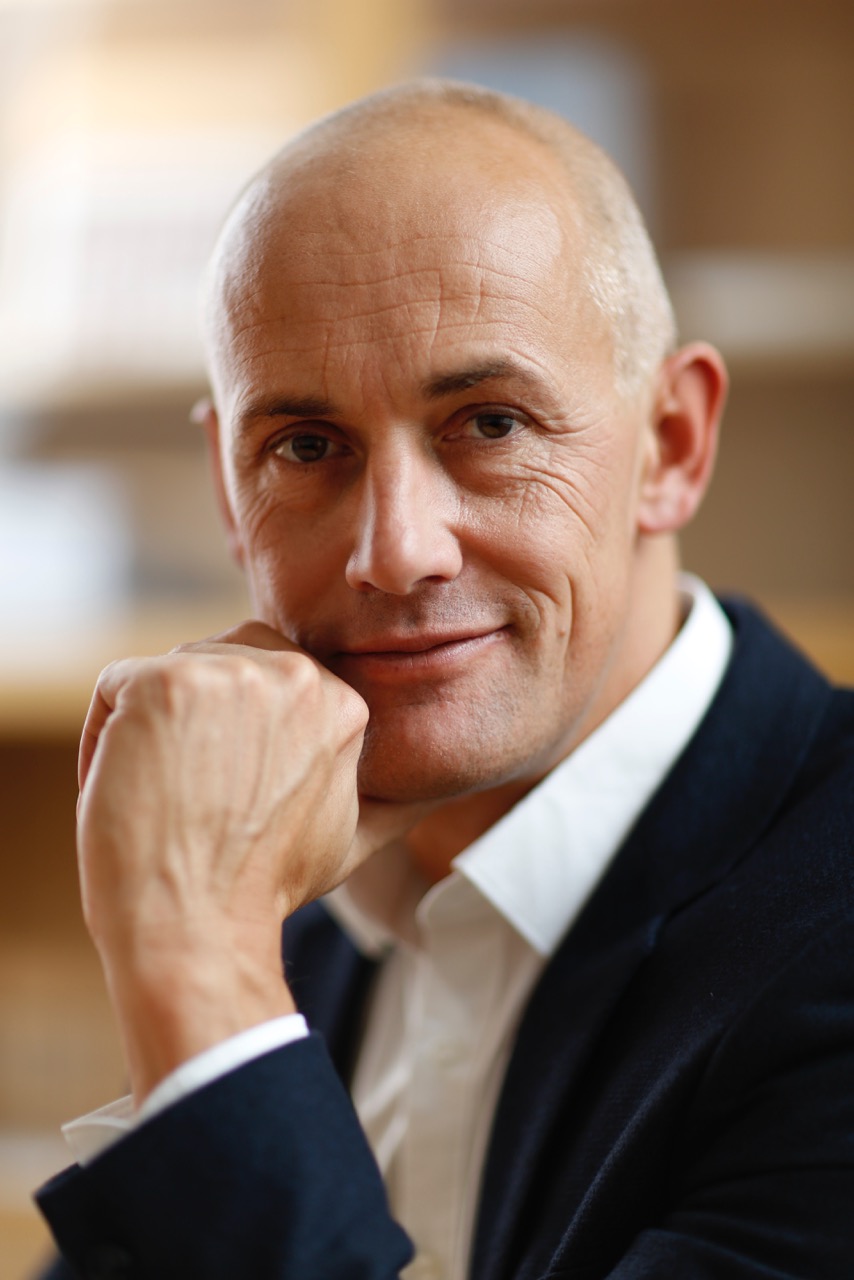
Group Leader
Professor at the Institute of Legal Medicine, Medical University of Innsbruck. His research spans STR analysis, mitochondrial DNA, and molecular photofitting.
Walther Parson has helped shape forensic genetics through work on human identification, lineage markers, mitochondrial DNA databases, quality standards, and emerging sequencing methods for casework and research.
His group combines foundational forensic DNA methods with newer genomic approaches aimed at ancestry inference, externally visible characteristics, and robust interpretation standards for real-world forensic applications.
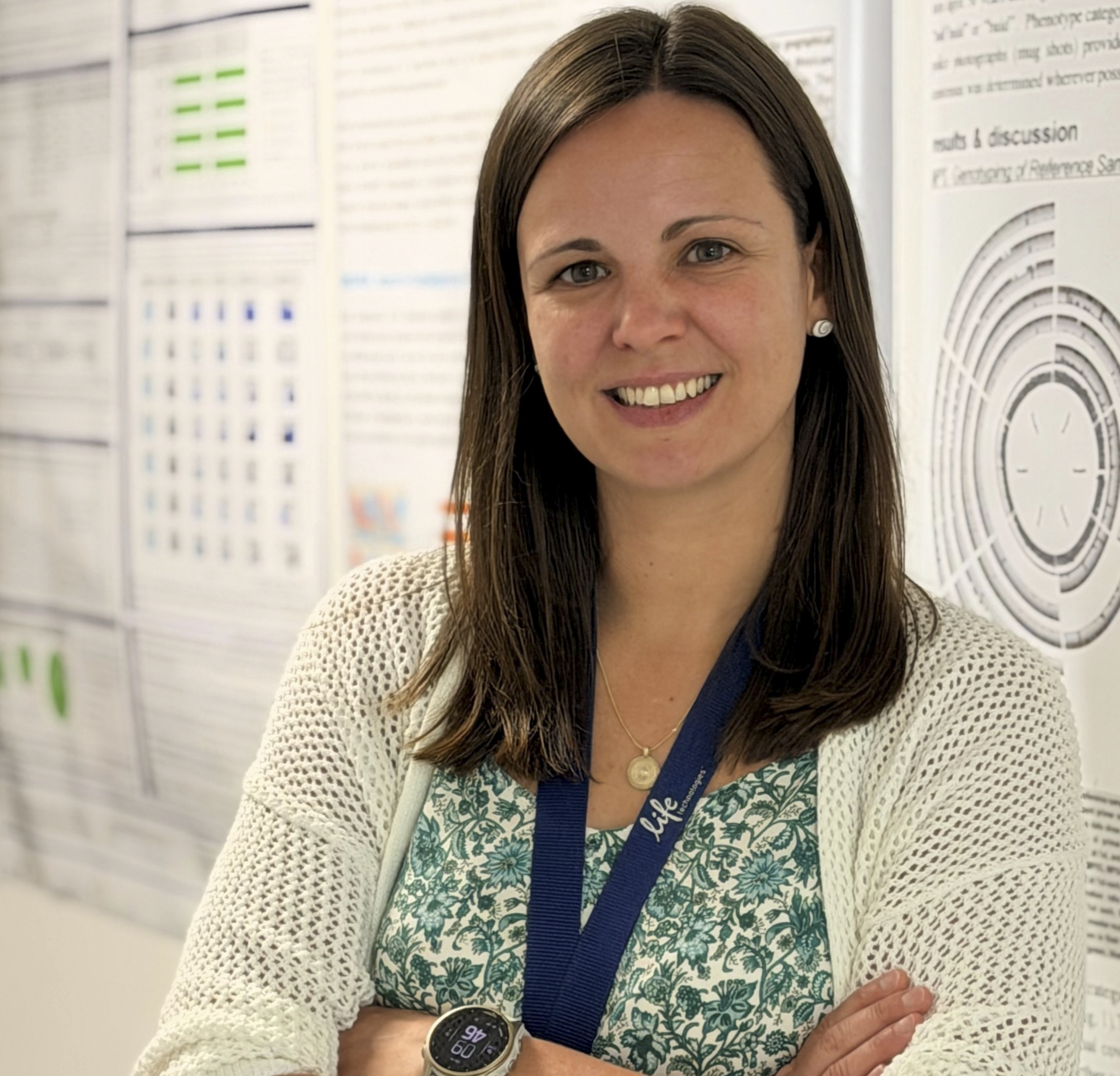
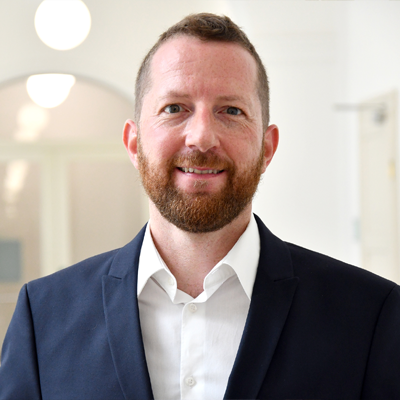
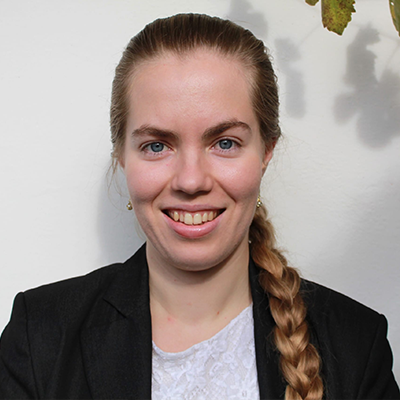
Core team members at the Forensic Genomics group.

Cases
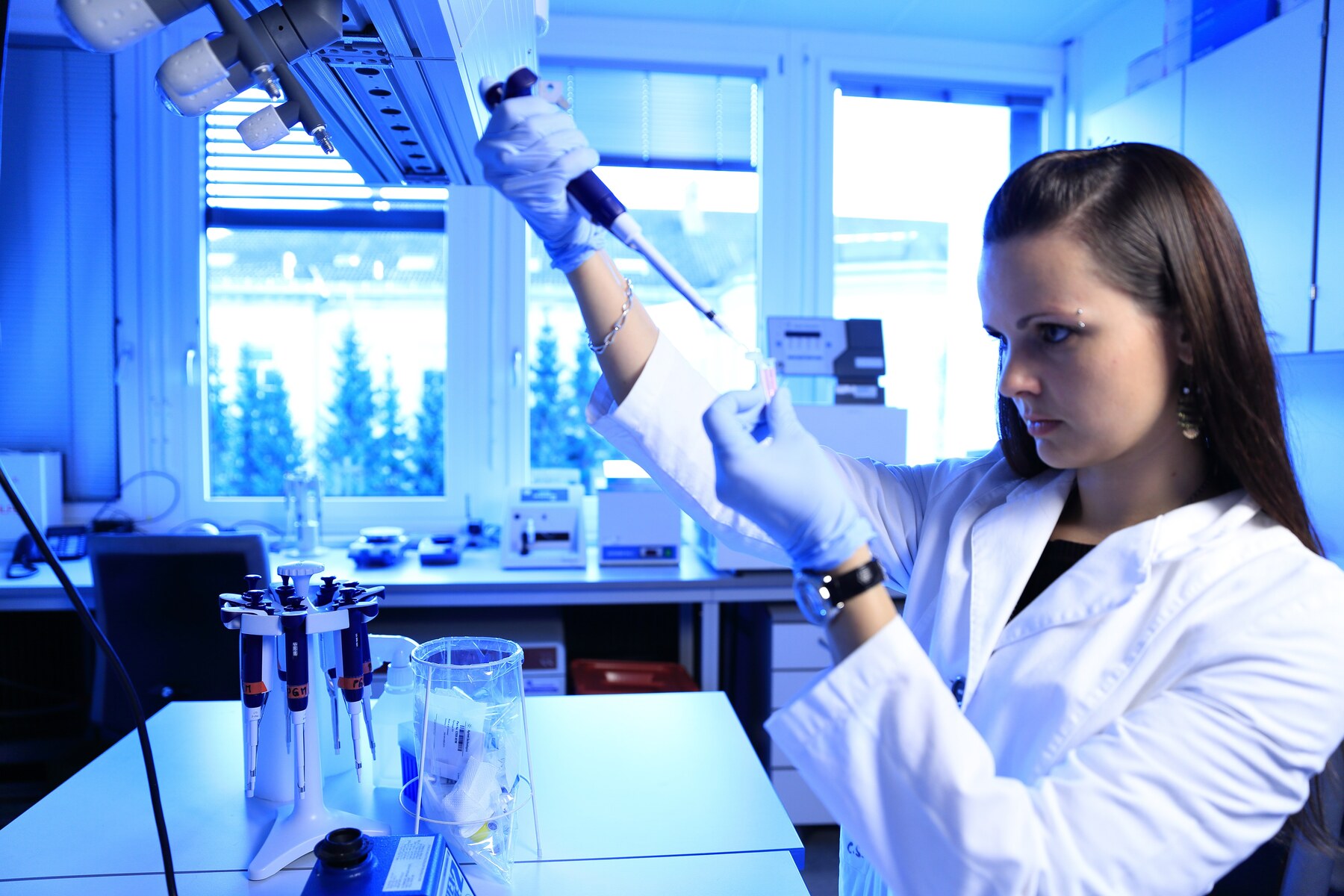
In the historic Birgitte Tengs murder case, advanced DNA methods identified male DNA on the victim’s clothing that was consistent with the defendant...
In the historic Birgitte Tengs murder case, advanced DNA methods identified male DNA on the victim’s clothing that was consistent with the defendant. However, the key question was not only whose DNA was present, but how it got there. The appeal highlighted the risks of overreliance on DNA evidence when alternative transfer scenarios, unknown contributors, and activity-level propositions are not fully evaluated. The case underscores the need to distinguish clearly between identifying a DNA contributor and assessing whether the DNA supports a specific alleged activity. It also emphasizes the importance of avoiding confirmation bias, using conservative interpretation, and improving communication between forensic experts and courts.
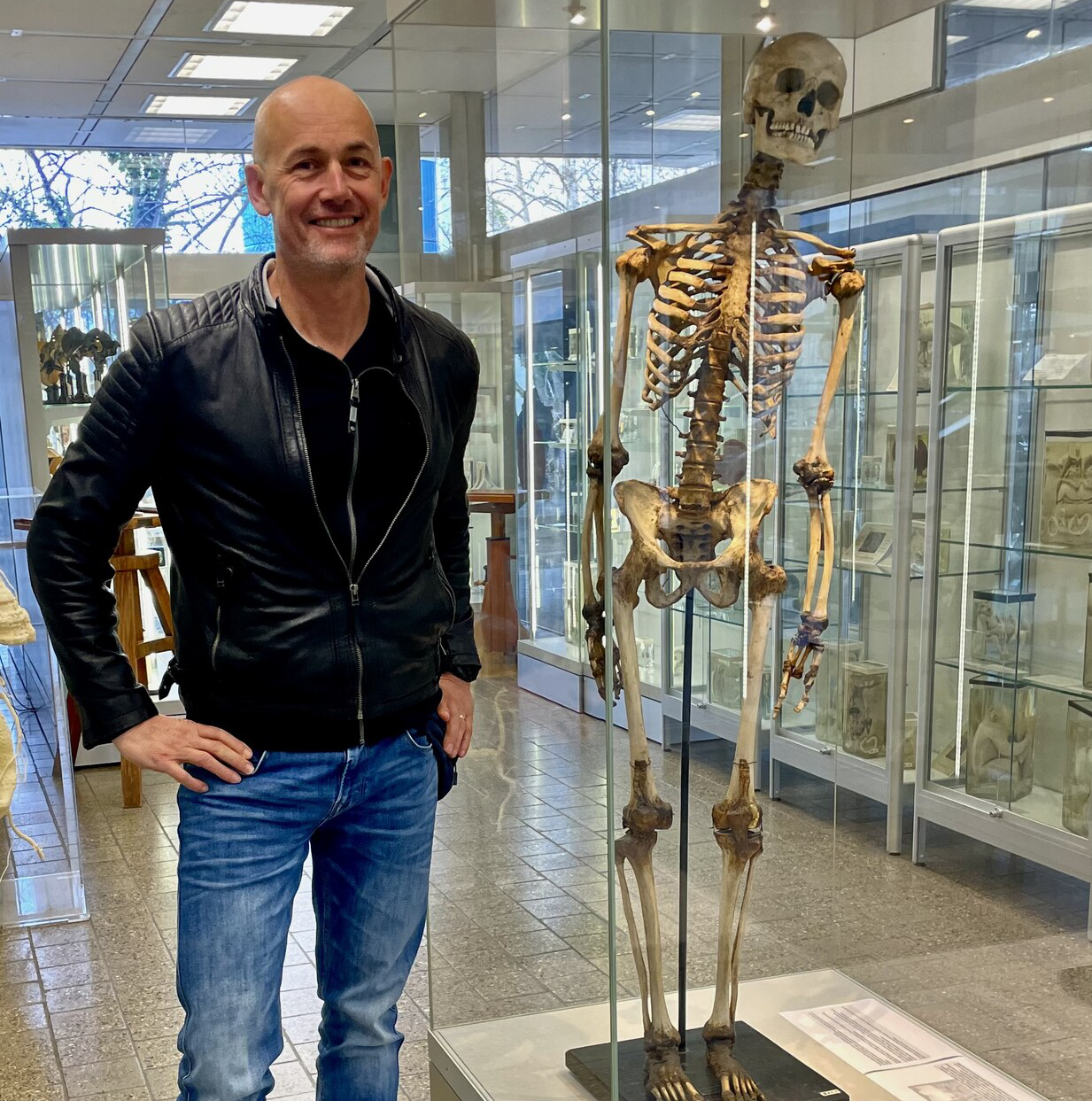
For more than 200 years, two skeletons in the anatomical collection of Heidelberg University were believed to belong to Johannes Bückler, known as Schinderhannes, and another executed criminal...
For more than 200 years, two skeletons in the anatomical collection of Heidelberg University were believed to belong to the famous German outlaw Johannes Bückler, known as Schinderhannes, and another executed criminal. Long-standing doubts about their identity have now been resolved through an interdisciplinary approach combining historical research, radiology, anthropology, isotope analysis, genealogy, and forensic genetics. DNA comparison with a living maternal relative, supported by mitochondrial and nuclear DNA analyses, showed that the remains previously assigned to another individual are in fact those of Schinderhannes. The work also provides genetic insight into his likely appearance and highlights the value of modern provenance research for human remains in historical collections.
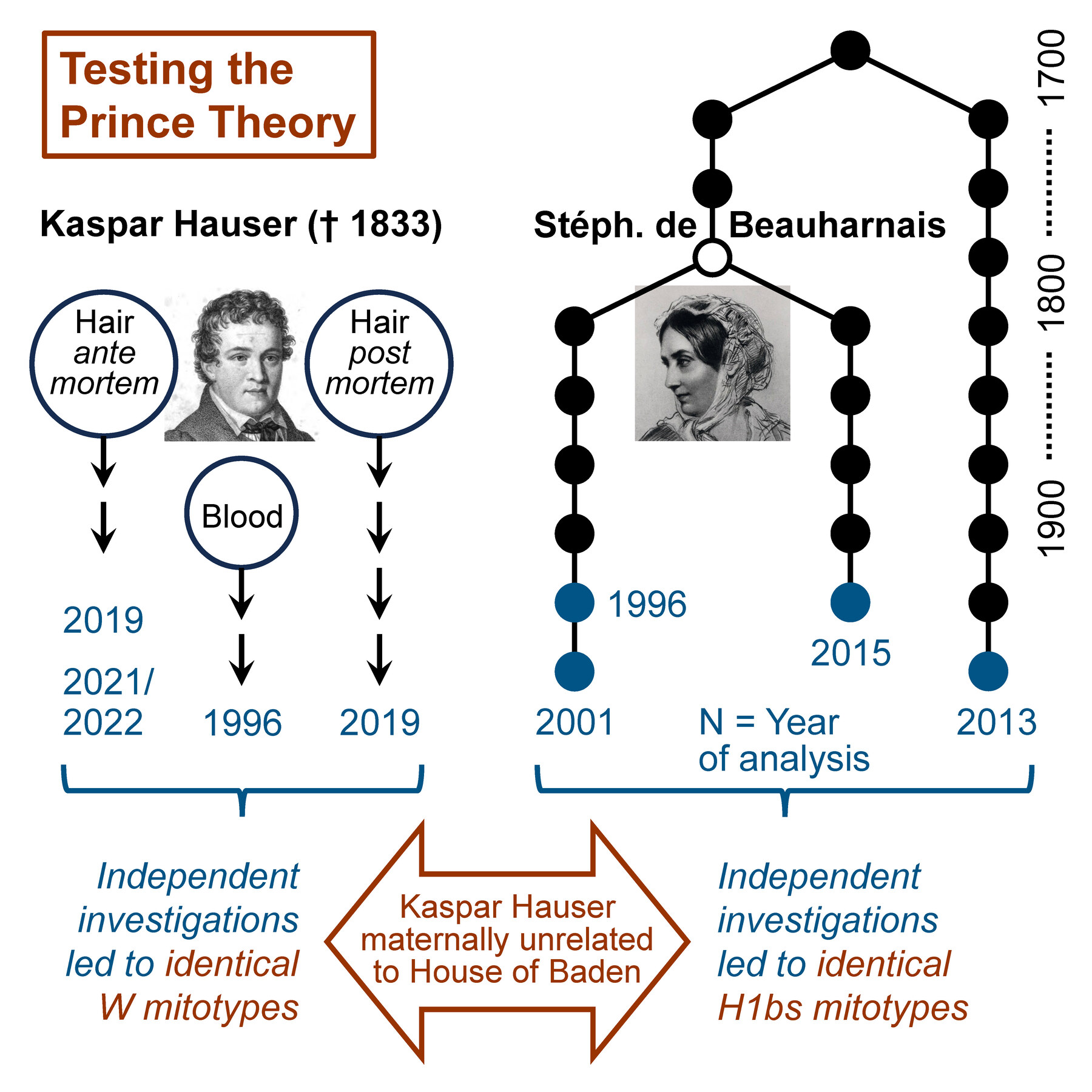
Modern DNA analysis has helped settle one of Europe’s most enduring historical mysteries. Kaspar Hauser was long rumored to be the kidnapped heir of the House of Baden...
Modern DNA analysis has helped settle one of Europe’s most enduring historical mysteries. Kaspar Hauser, the “foundling of Nuremberg,” was long rumored to be the kidnapped heir of the House of Baden. Using advanced sequencing methods, we examined preserved hair traces attributed to Hauser and found that they shared the same mitochondrial DNA profile as a bloodstain on underwear he was reportedly wearing during the fatal stabbing. This match supports the authenticity of the historical samples. Crucially, this profile differs clearly from the maternal line of Stéphanie de Beauharnais and the Baden family. The findings rule out the famous “Prince theory” with very high probability, while leaving Hauser’s true origin and the circumstances of his life and death still unknown.
Contact
We welcome collaborations across forensic genetics, genomics, population research, method development, and related interdisciplinary fields. If you are interested in working with us, we would be glad to hear from you.
Institute of Legal Medicine