Historic Cases

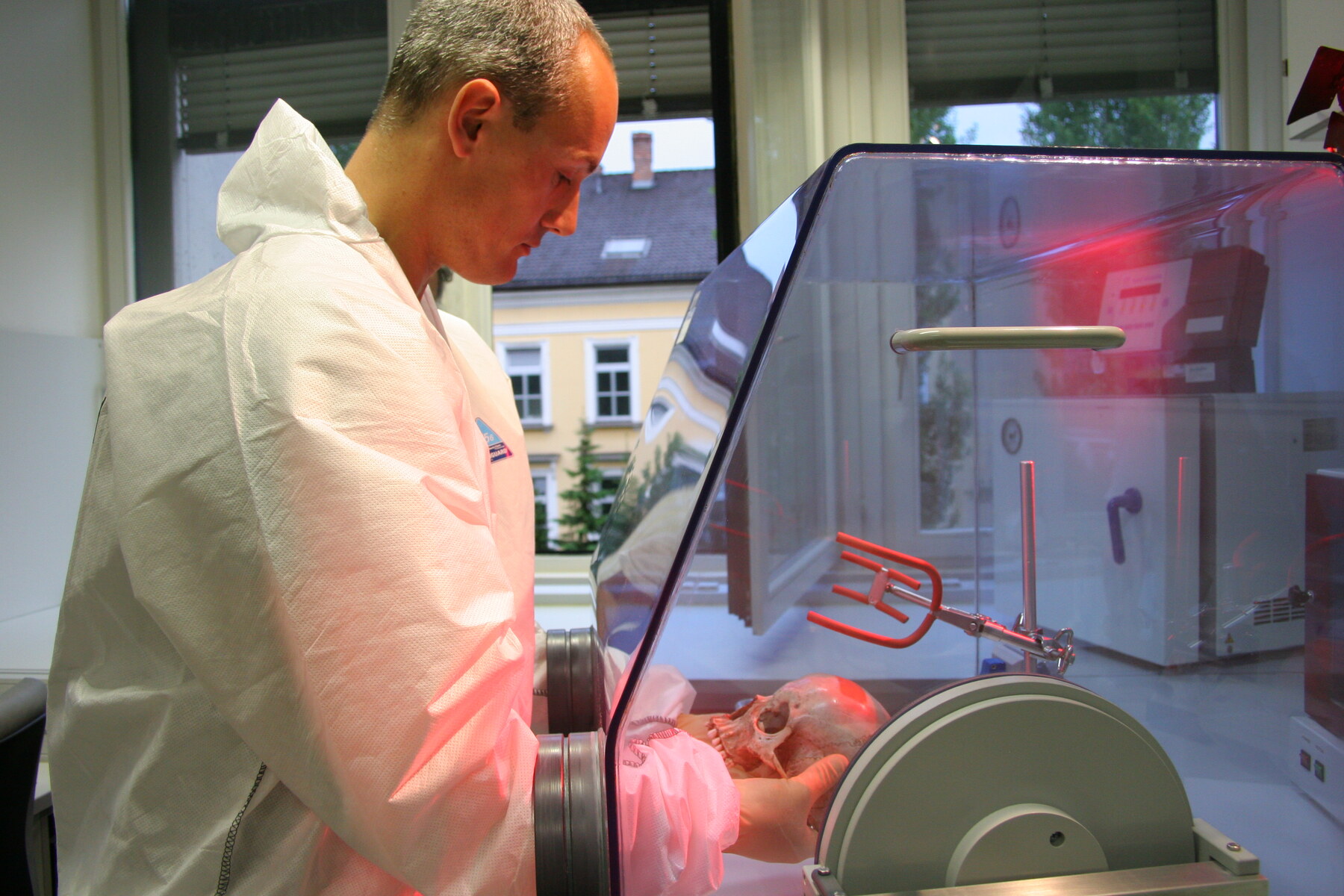
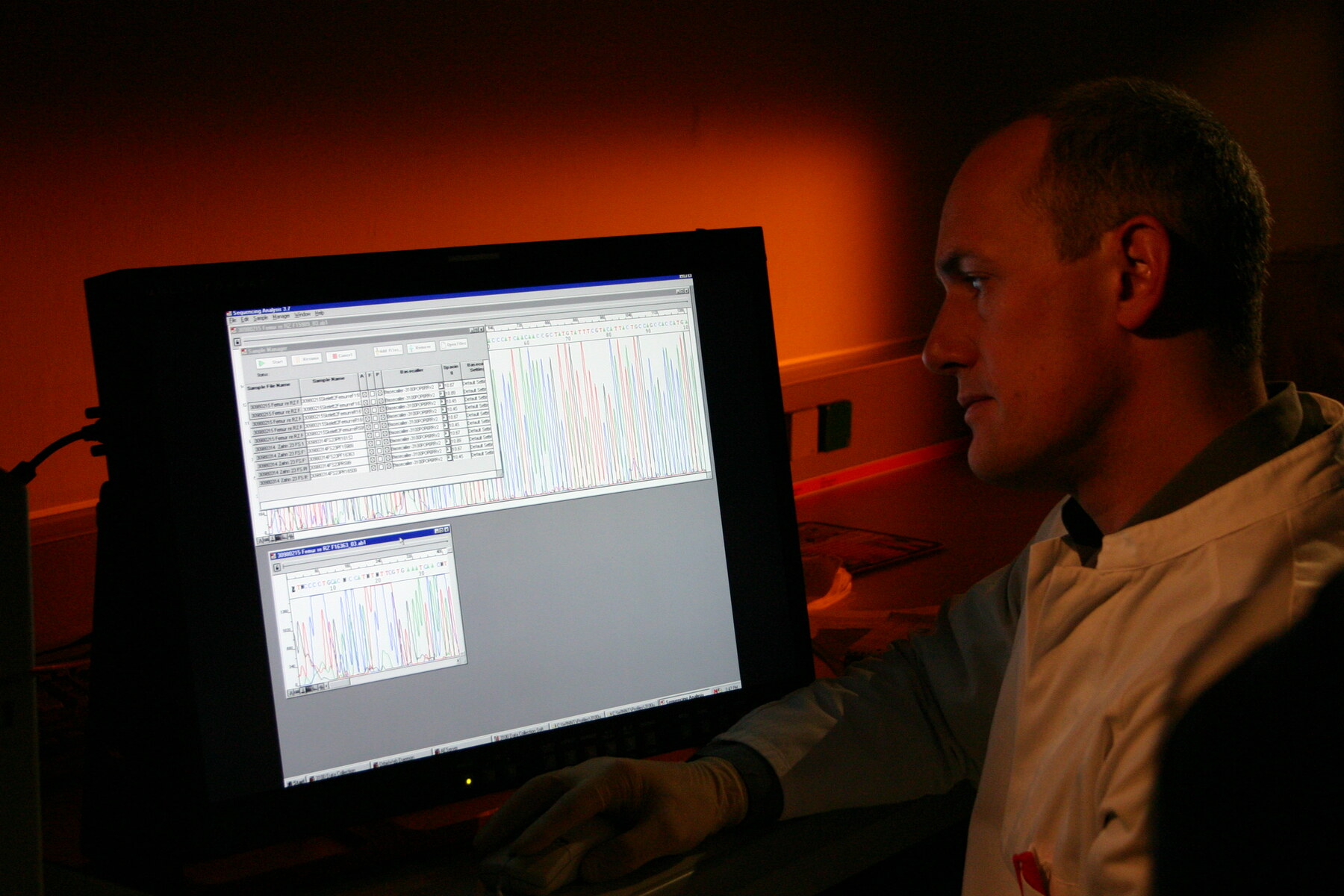
A dedicated overview of selected case studies from Walther Parsons forensic genetics research group at the Medical University of Innsbruck, Austria. The cases highlight the application of modern forensic genetics and genomics to historical questions, demonstrating how DNA analysis can resolve long-standing mysteries, clarify historical records, and provide insights into the past.

Historic image associated with Kaspar Hauser

Kaspar Hauser

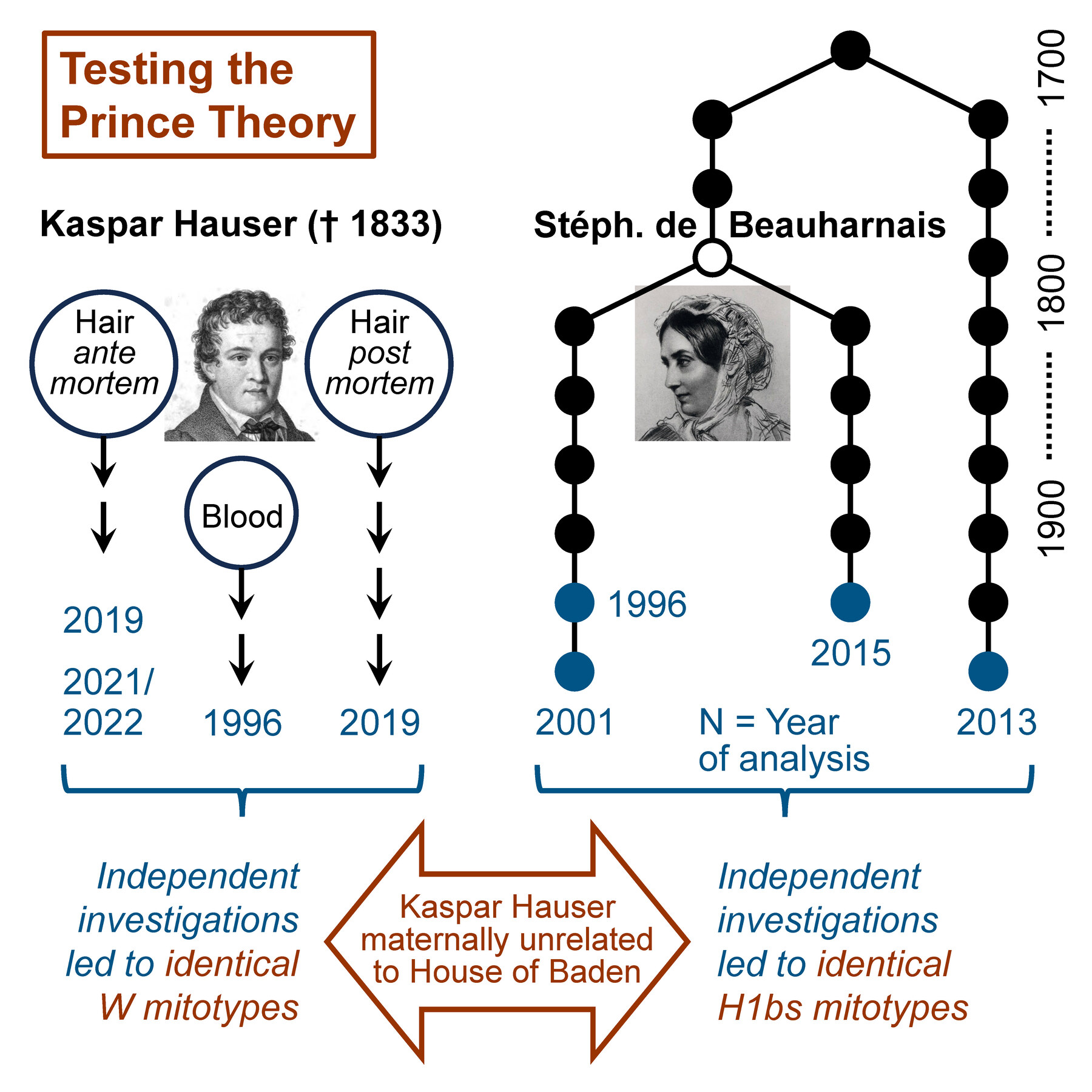
Modern DNA analysis has helped settle one of Europe’s most enduring historical mysteries. Kaspar Hauser, the “foundling of Nuremberg,” was long rumored to be the kidnapped heir of the House of Baden. Using advanced sequencing methods, we examined preserved hair traces attributed to Hauser and found that they shared the same mitochondrial DNA profile as a bloodstain on underwear he was reportedly wearing during the fatal stabbing. This match supports the authenticity of the historical samples. Crucially, this profile differs clearly from the maternal line of Stéphanie de Beauharnais and the Baden family. The findings rule out the famous “Prince theory” with very high probability, while leaving Hauser’s true origin and the circumstances of his life and death still unknown.
Historic image associated with Schinderhannes

Schinderhannes

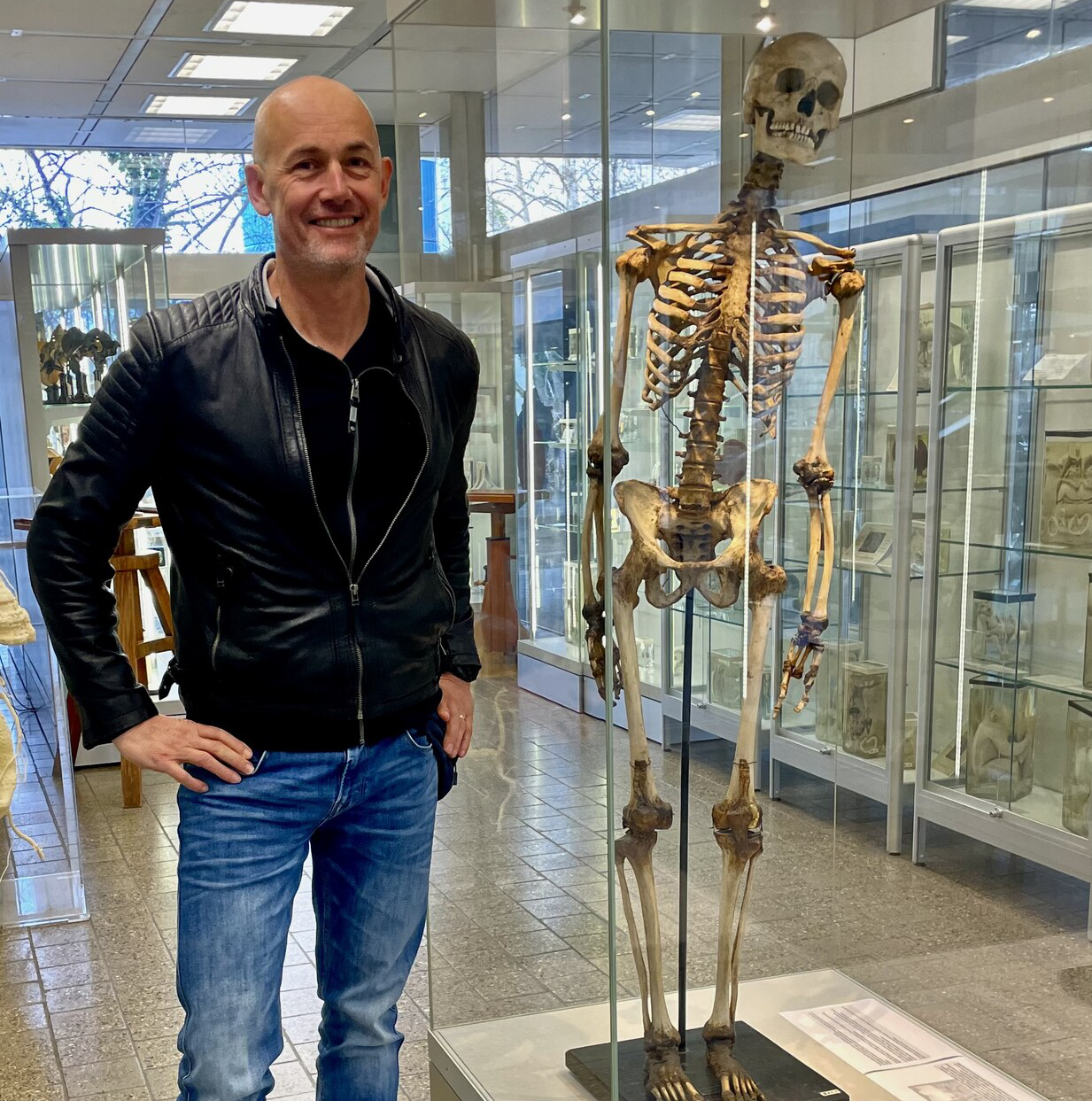
For more than 200 years, two skeletons in the anatomical collection of Heidelberg University were believed to belong to the famous German outlaw Johannes Bückler, known as Schinderhannes, and another executed criminal. Long-standing doubts about their identity have now been resolved through an interdisciplinary approach combining historical research, radiology, anthropology, isotope analysis, genealogy, and forensic genetics. DNA comparison with a living maternal relative, supported by mitochondrial and nuclear DNA analyses, showed that the remains previously assigned to another individual are in fact those of Schinderhannes. The work also provides genetic insight into his likely appearance and highlights the value of modern provenance research for human remains in historical collections.

Photo associated with the Birgitte Tengs case

Birgitte Tengs

In the historic Birgitte Tengs murder case, advanced DNA methods identified male DNA on the victim’s clothing that was consistent with the defendant. However, the key question was not only whose DNA was present, but how it got there. The appeal highlighted the risks of overreliance on DNA evidence when alternative transfer scenarios, unknown contributors, and activity-level propositions are not fully evaluated. The case underscores the need to distinguish clearly between identifying a DNA contributor and assessing whether the DNA supports a specific alleged activity. It also emphasizes the importance of avoiding confirmation bias, using conservative interpretation, and improving communication between forensic experts and courts.

Photo associated with Günther Messner

Günther Messner

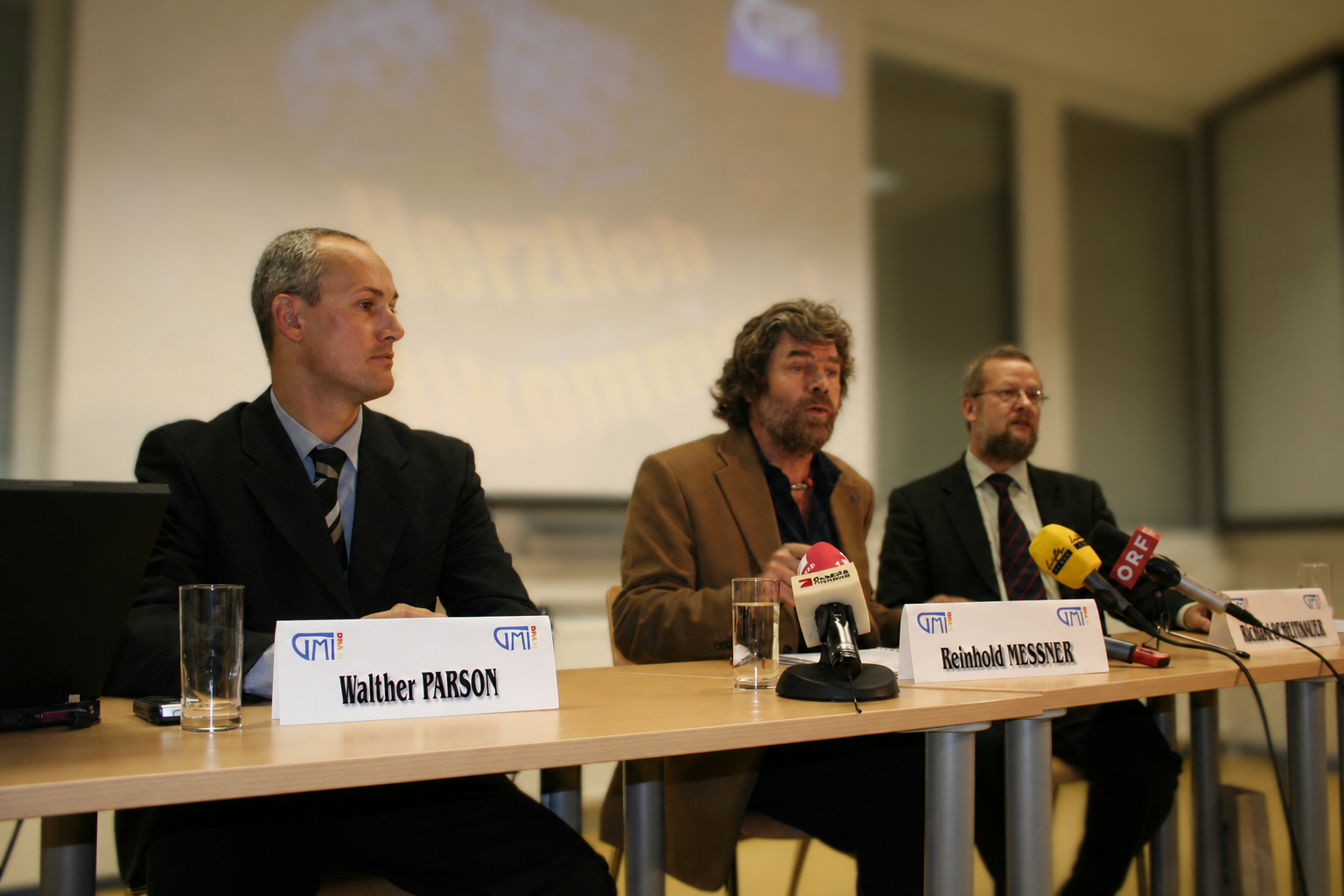
For decades, the fate of Günther Messner, brother of renowned mountaineer Reinhold Messner, remained at the center of one of alpinism’s most debated controversies. After Günther disappeared during the 1970 Nanga Parbat expedition, conflicting accounts emerged about the circumstances of his death. Reinhold Messner maintained that the two brothers had descended the Diamir face together before an avalanche claimed Günther’s life, while others alleged that Günther had been left behind on the Rupal face. Thirty-five years later, Günther Messner’s remains were discovered on the Diamir face and identified through forensic DNA profiling. The location of the remains provided strong support for Reinhold Messner’s account, helping to resolve one of the mountaineering world’s most widely publicized disputes.

Photo associated with Wolfgang Amadeus Mozart

Wolfgang Amadeus Mozart

The skull attributed to Wolfgang Amadeus Mozart has long attracted scientific and historical attention. Our genetic analyses, however, did not permit a definitive identification. Mitochondrial DNA recovered from the skull was compared with DNA from skeletal remains believed to derive from Mozart’s maternal relatives. These presumed relatives neither exhibited the expected maternal relationship to one another nor matched the DNA yielded from the skull. This demonstrated that the reference material was itself inauthentic and therefore unsuitable for a conclusive kinship-based assessment.

The DNA data generated from the skull remain available for future comparison should authentic reference material become available.

Photo associated with Friedrich Schiller

Friedrich Schiller

The remains attributed to Friedrich Schiller have been the subject of extensive forensic DNA investigations aimed at resolving long-standing questions about their authenticity. Notably, two separate sets of skeletal remains had historically been attributed to Schiller. The DNA analyses involved mitochondrial DNA analysis alongside Y-chromosomal and autosomal STR profiling. The genetic data were compared to those of known relatives who had been exhumed for this purpose. All three marker systems yielded concordant results, demonstrating clear unrelatedness with Schiller’s DNA. Together, the findings provided robust evidence that neither of the two skeletal sets originally attributed to Friedrich Schiller can derive from him.

This study highlights the power of integrated forensic genetic approaches in historical investigations and underscores the challenges of accurately identifying human remains from earlier centuries.

Photo associated with the Romanov family

The Russian Tsar Family Romanov

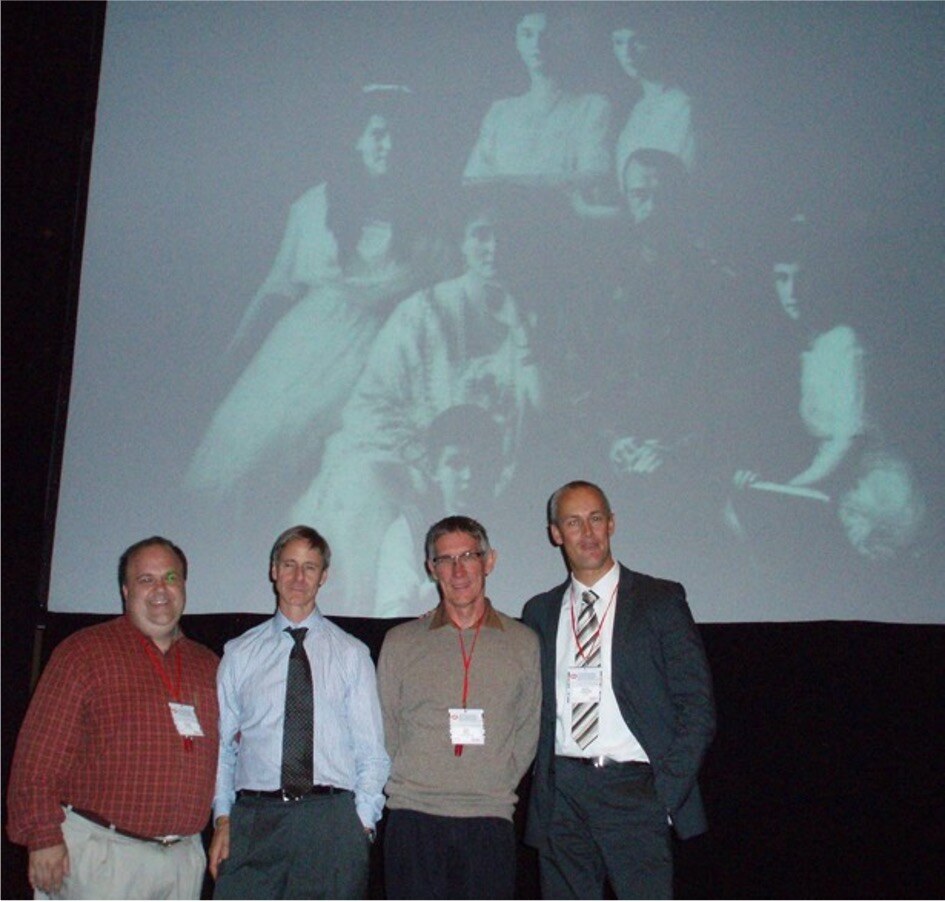
The identification of the remains of the Romanov family represents a landmark application of forensic genetics to historical casework. DNA analyses, including mitochondrial DNA sequencing, Y-chromosomal STRs, and autosomal STR profiling, were applied to skeletal remains recovered from mass graves near Ekaterinburg. In the study, the genetic data were compared to both previously identified remains and reference samples from known relatives of the Romanov lineage. The results showed consistent genetic relationships among the individuals recovered, confirming familial links between Tsar Nicholas II, Empress Alexandra Feodorovna, and their children. Importantly, the study provided definitive genetic evidence for the identification of the previously missing children, thereby completing the family group.

This work effectively closed the chapter that began with Peter Gill’s groundbreaking DNA identification of the two parents and three of their five children. The concordant results across multiple genetic marker systems offered strong support for the authenticity of the remains and demonstrated the robustness of integrated DNA approaches in resolving complex historical identifications.

Photo associated with the identification of war heroes

Illustrative image generated with ChatGPT; not an archival case photograph.

Identification of War Heroes

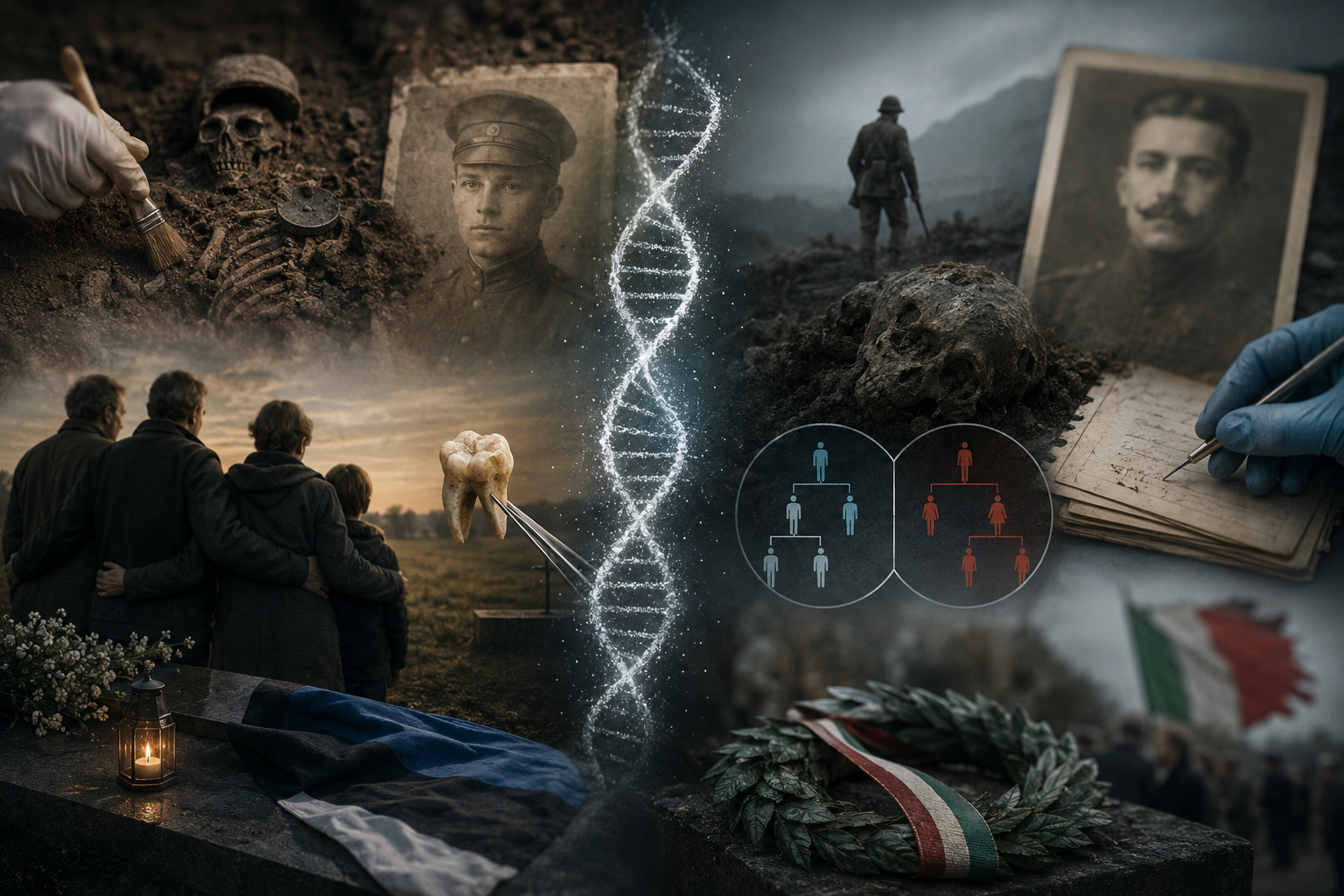
Two case studies show how genetic methods can restore names, or prevent mistaken identifications, more than a century after war. In the Estonian War of Independence, Aaspõllu et al. combined archaeology, anthropology, archival research, document conservation, and Y-chromosomal STR analysis of teeth. Comparison with living paternal-line relatives provided very strong evidence that the unknown soldier was Jaan Luts, giving a fallen serviceman his identity back. In the WWI case of the presumed Italian hero Libero Zugni Tauro, Piccinini et al. applied Y-STR and mitochondrial DNA testing to skeletal remains and relatives from both paternal and maternal lines. The genetic results clearly excluded the proposed identity, showing that DNA is equally important for ruling out assumptions. Together, these studies demonstrate that modern forensic genetics, when integrated with historical and anthropological evidence, is a powerful tool for identifying military remains and honoring the dead with scientific accuracy.

Photo associated with Leopold III

Leopold III

DNA analysis helped address a long-standing historical question about Austria’s patron saint Leopold III and his family. Skeletal remains attributed to Leopold, his wife Agnes of Waiblingen, and Adalbert were examined using autosomal STRs, Y-chromosomal markers, and mitochondrial DNA. The results showed a strong parent-son relationship among the three, indicating that Adalbert was most likely the biological son of both Leopold and Agnes, contrary to earlier historical assumptions that he may have come from a previous relationship. Additional testing of remains attributed to Ernst, another son, did not support a close relationship to Leopold and Agnes. The study shows how forensic genetics can clarify medieval kinship questions when written records remain uncertain.

Image associated with King Richard III

King Richard III

A skeleton discovered beneath a Leicester car park was investigated as a centuries-old missing-person case. Archaeological context, radiocarbon dating, osteological findings, and trauma analysis all matched expectations for Richard III: a male in his early thirties, buried at Grey Friars, with severe scoliosis and battle injuries. Genetic testing added decisive evidence. Mitochondrial DNA from the remains matched living maternal-line relatives, while the Y chromosome did not match paternal-line relatives, a result explainable by a false-paternity event over many generations. DNA-based appearance prediction also supported blue eyes and fair hair, consistent with an early portrait. Combined evidence made the identification overwhelming.

Image associated with the Dark Countess

The Dark Countess

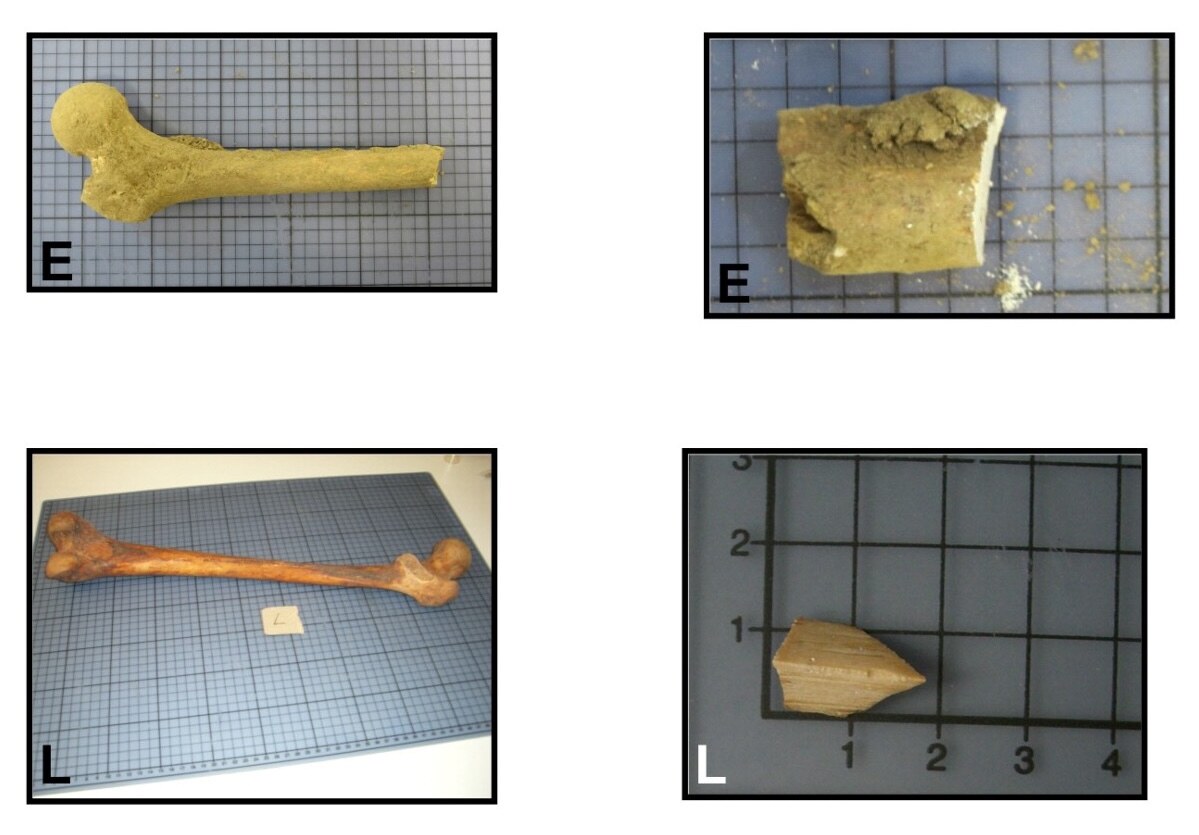
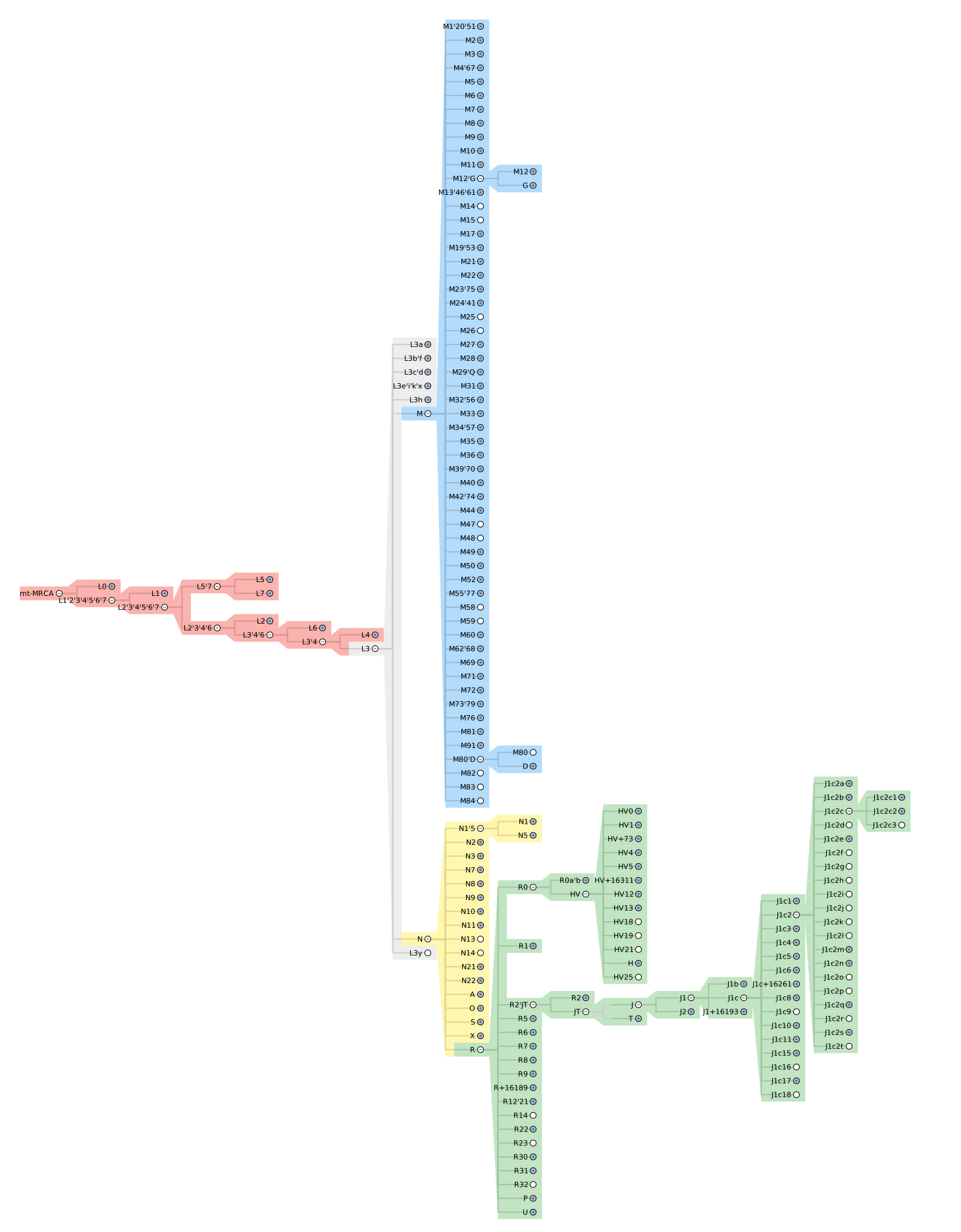
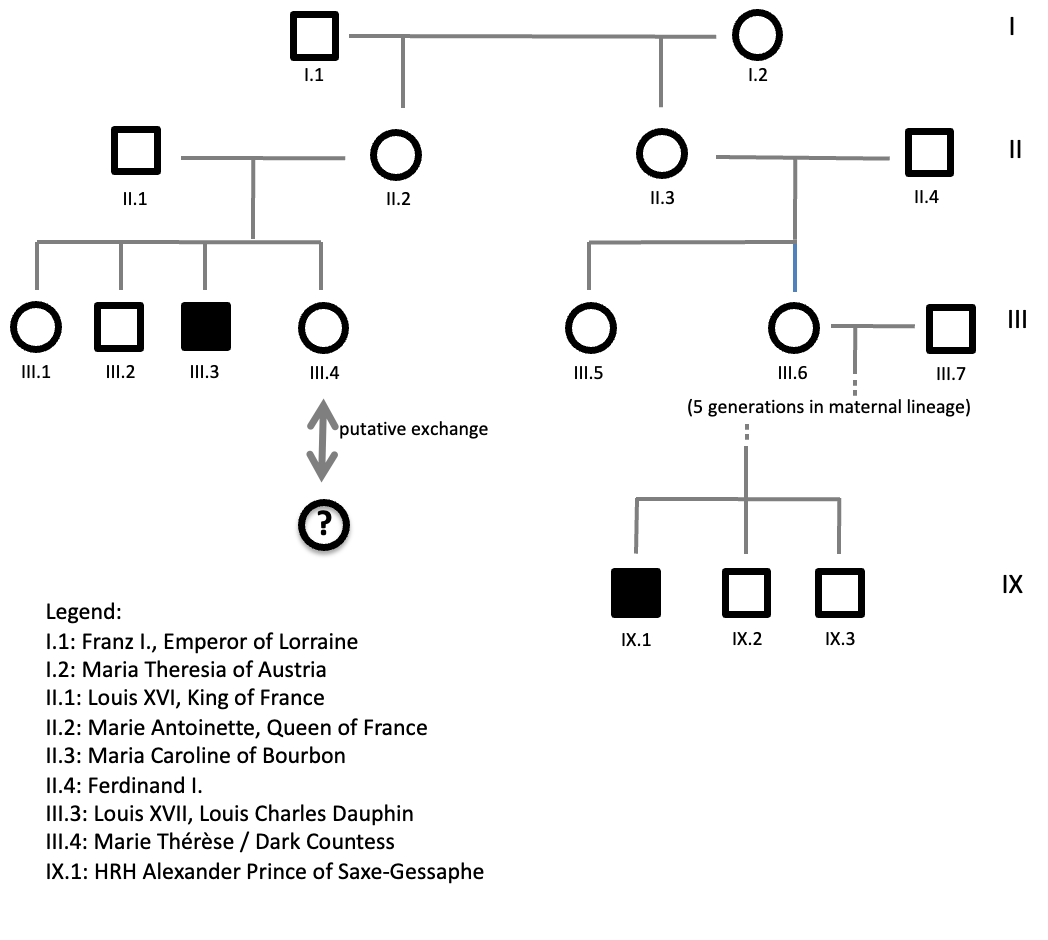
Genetic testing helped resolve a long-standing mystery surrounding the “Dark Countess” of Hildburghausen, a secluded woman once rumored to be Marie Thérèse Charlotte of France, daughter of Louis XVI and Marie Antoinette. After her remains were exhumed, femoral bone samples were analyzed independently in two forensic laboratories. Both produced the same mitochondrial DNA profile, confirming the reliability of the result. This profile differed from mitochondrial DNA associated with the French royal maternal line, including a living maternal relative and earlier data linked to Louis XVII. The findings excluded the Dark Countess as Marie Thérèse and ended a persistent historical legend through molecular evidence.

Image associated with the Stillfried Bronze Age burial

Stillfried (Bronze Age burial)

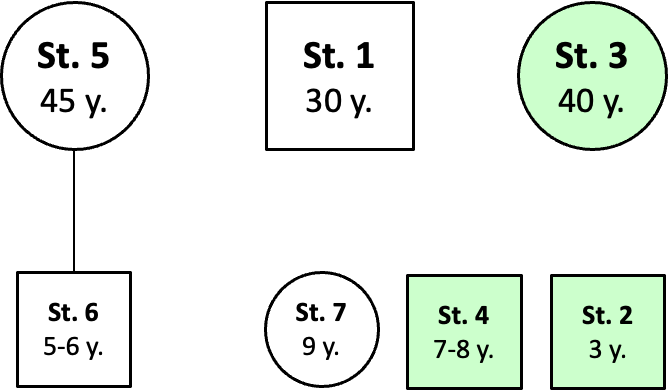
Seven unusually well-preserved individuals from a Late Bronze Age storage pit in Stillfried, Austria, were genetically examined to clarify their possible family relationships. Earlier anthropological and isotope-based reconstructions had suggested that the adults and children formed one family group, but mitochondrial DNA analysis told a different story. Using primer extension capture and massively parallel sequencing on tooth samples, we obtained maternal-line profiles from all seven individuals. Only one child shared the same mitochondrial type as one adult female, supporting a possible mother-son or other close maternal relationship. The other children had distinct maternal lineages, excluding the proposed family models and showing how ancient DNA can revise interpretations of prehistoric burials.

Photo associated with Sobibór death camp victims

Sobibor Death Camp Victims

Archaeological work at the former Sobibór death camp uncovered ten nearly intact male skeletons whose origin was initially uncertain. Forensic examination revealed execution-style gunshot trauma in several individuals, while genetic analyses of mitochondrial DNA and Y-chromosomal markers showed lineages characteristic of Ashkenazi Jewish populations. These results, together with artefact and anthropological evidence, demonstrated that the remains belonged to Jewish Holocaust victims rather than to later non-Jewish combatants. The findings helped correct the historical interpretation of the burials and ensured that the victims were reburied according to Jewish rite at the place where they were found.